Rafi Industrial Group | Manufacturer and supplier of power cable support equipment


The needs of industries do not always require the use of expensive conduits such as various types of hot-dip galvanized conduit. Sometimes, the economic aspect of electrical conduits must also be considered in order to meet the needs of industries at the lowest cost. Cold galvanized conduit is a new product with a zinc coating that is applied to the conduit cold, without the need for heating. The lower thickness of zinc on cold galvanized conduits does not mean they are of poor quality; rather, by purchasing them from reputable sellers such as Rafi Industrial Group, safe electrical conduit installation can be carried out, especially in indoor environments.
Cold galvanized conduit (Electro-Galvanized) is the first choice for environments that require moderate protection against rust and, of course, the implementation of conduits at a low cost. In the production method of cold galvanized conduit, the protective layer of zinc is applied to the surface of the steel conduit through the electrolysis process (electrical current). Unlike the production method of hot-dip deeply galvanized conduit, here zinc salts are dissolved in an aqueous solution, and with the help of an electrical current, they create a thin but very uniform and shiny layer on the metal so that it can show good resistance to corrosion and potential damage.
As the name cold galvanized conduit suggests, it is a steel conduit on which a zinc layer is formed on the surface of the steel conduit through electrochemical or chemical reactions at room temperature. This zinc layer not only gives the steel conduit more protection but also gives it various forms and applications. The production processes of cold galvanized conduits differ from each other, and this issue causes different forms of this conduit to be created, which are mentioned below.
Electro-galvanized steel conduit: This type of conduit is the most common cold galvanized conduit. To produce it, a uniform zinc layer is created on the surface of the steel conduit through the electroplating process. This form of conduit has very high resistance to corrosion. For this reason, it can be used for indoor and general environments and be sufficiently satisfied with its strength.
Mechanically galvanized steel conduit: To produce this type of galvanized conduit, mechanical rolling is used to uniformly press zinc powder onto the surface of the steel conduit to form a thicker zinc layer. This conduit is suitable for outdoor environments, especially environments where greater corrosion resistance is required.
Alloy galvanized steel conduit: During the galvanizing process of this steel conduit, some alloying elements such as aluminum, magnesium, etc., are added to improve the corrosion resistance and welding performance of the steel conduit. This type of steel conduit is suitable for harsher environmental conditions.
Color galvanized steel conduits: To meet the needs of architectural decoration, galvanized steel conduits are produced by spraying to give a colorful appearance to the steel conduits. This type of steel conduit is not only functional but also highly decorative.
Unlike hot-dip galvanizing, in which the conduit is immersed in molten metal, cold galvanizing is a physical coating application process and does not create any chemical change in the conduits. This method can be carried out in various ways, but the most common of them are:
Using galvanizing paints: These paints contain a high percentage of zinc metal powder (usually between 80 and 95 percent by weight) in a binding resin, which are applied to steel conduits by spraying. After drying, these paints create a protective layer with high zinc content that has good resistance to corrosion.
Galvanizing through electrical processes: In this method, the intended metal part is placed as the cathode and a zinc metal plate as the anode in an electrolyte solution (usually containing zinc salts). By passing an electrical current, zinc ions move from the anode towards the cathode, and a thin, uniform layer of zinc is deposited on the surface of the part. In most cases, electrical steel conduit is galvanized using this method.

The thickness of the zinc coating in the cold galvanizing method is usually less than that of hot-dip galvanizing, and this very issue multiplies the sensitivity of using these conduits in humid environments. Approximately, the zinc thickness on these conduits is about 5 to 25 micrometers. Depending on the need, the electro-galvanizing of these conduits can be carried out in several stages so that the final thickness of the zinc metal increases and the resistance of the conduits also becomes higher. Nevertheless, creating a balance between the final thickness and the appropriate price of these conduits is the main priority of manufacturers such as Rafi Industrial Group.
The service life of conduits and parts coated with cold galvanizing is less than that of hot-dip galvanizing. In fact, the zinc metal applied to the cold galvanized conduit is damaged as a sacrificial layer when exposed to moisture, and whenever this layer is completely destroyed, the performance of the cold galvanized conduit is also affected.
Approximately, in moderate environmental conditions, the service life of cold galvanized conduits can vary from 5 to 15 years. However, for local repairs or in conditions where the cost of hot-dip galvanizing is not justifiable, cold galvanizing is considered an efficient solution. Furthermore, with proper maintenance and purchasing cold galvanized conduit with a high zinc thickness, a longer service life can be obtained from them.
One of the most important questions from customers for purchasing cold galvanized conduit is the issue of price. Almost all customers looking to purchase affordable and high-quality conduits for their construction and power distribution projects choose cold galvanized conduit, because these conduits both have an acceptable price and their quality under normal conditions is very high.
Nevertheless, the price of cold galvanized conduits depends on their diameter and the thickness of the zinc used on the outer layer of these conduits. Moreover, the final price changes based on market fluctuations and customer demand. The best way to estimate the price and determine the budget is to inquire about the daily price of these conduits from galvanized conduit production centers.
The method of producing cold galvanized conduits differs depending on their type and the plating process carried out. Usually, these conduits are produced using the cold method at room temperature without the need for any heat. For this reason, the uniform coating created on them ensures maximum satisfaction with their durability and strength. To produce this conduit, it is first necessary for the conduits to be thoroughly cleaned so that there is no dust or contamination on them. Then the zinc coating is applied to the surface of the conduits by spray or electromagnetic method until it reaches the expected thickness. After the process is completed and as soon as the zinc coating dries, the conduit can be used.
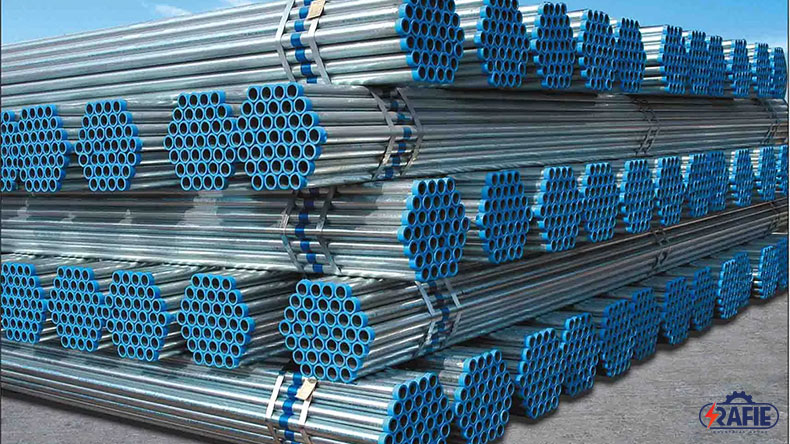
High size variety: The various sizings of cold galvanized conduit enable you to protect different sizes of electrical cables along a specific path. These structural dimensions are determined based on international standards and are the same for all steel electrical conduits.
Relative resistance to discoloration and rust: Although these conduits are not as resistant as hot-dip galvanized conduit types, they can protect themselves against rust to a desirable extent.
Lightweight but with high hardness: The weight of cold galvanized conduit is low due to its application type and small thickness. However, their level of hardness and strength remains high due to the standard density of the steel.
Affordable price: These conduits have a very affordable price. As a result, if you want to install conduits over a large area, you will have saved a relatively significant cost at the end of the project.
Cold galvanized conduit has relatively high resistance to corrosion and rust, and the zinc coating used on it has led to achieving such a feature. The application of this conduit is different from other conduits, especially flexible conduit. Therefore, engineers active in various industries should use this conduit considering the following applications.
Water transmission: Water transmission pipes can be of the cold galvanized conduit type. These conduits are used in urban and rural resources and various points in different provinces for transmitting sanitary and safe water. The use of these conduits is recommended for irrigating agricultural lands and water transportation.
Gas transmission: Cold galvanized conduits can be used for transmitting gas, oil, and other energy sources such as diesel, which has improved the application of these conduits in petrochemical industries.
Chemical transmission: Chemicals can cause significant corrosion in uncoated pipes. However, cold galvanized conduit, due to having a zinc coating, shows acceptable resistance to acids, bases, and other chemicals. For this reason, the use of these conduits is recommended to prevent leakage and contamination of various environments.
Transport and handling of various fuel materials: Cold galvanized conduits can be used for transporting fuel materials. These conduits are suitable for transporting oil, diesel, gasoline, and other fuel materials and can be considered a very good option for the country’s vital and economic infrastructure.
Construction industries: In industrial and residential construction, the use of cold galvanized conduit is of great importance. These conduits can be used in cooling and heating systems and demonstrate good performance. The long lifespan of these conduits in buildings is considered one of their advantages.
The galvanization process is a process carried out to increase the resistance of conduits to rust and corrosion. This process can be performed using two methods: hot and cold. In the cold galvanization method, zinc metal is combined with other materials and can be sprayed onto steel conduits using special equipment. The thickness of the zinc metal coating the galvanized conduit can vary depending on the need, but usually, the cold galvanized coating constitutes between 4 to 7 percent of the total weight of the conduit.
Due to the limited zinc coating of the cold galvanized conduit, we must expect that these conduits do not have high resistance to environmental factors such as moisture, scratches, etc. Although the cold galvanizing process can to some extent increase the resistance of these conduits to rust, the sensitivity of cold galvanized conduits to moisture is still noteworthy. Therefore, in very humid environments such as greenhouses, there will be a possibility of these conduits rusting.

Although both cold galvanized conduit and hot-dip deeply galvanized conduit are designed and manufactured to support and protect electrical cables, their level of resistance and strength differs from each other. We must say that hot-dip galvanized conduit has greater resistance intensity compared to cold galvanized conduit. As a result, you cannot use these conduits in very humid environments.
In terms of appearance, hot-dip galvanized conduit is somewhat shinier and more transparent, which is due to the use of molten zinc solution at a temperature of about 500 degrees Celsius. Cold galvanized conduits, given the type of coating they have, are priced lower compared to hot-dip deeply galvanized conduits. Consequently, if, based on your assessments, you consider your environment to be low-stress, cold galvanized conduits can be a good choice.
As mentioned, the purchase cost of cold galvanized conduit is lower than hot-dip galvanized conduits. Many industrial and manufacturing complexes, in order to be able to reduce their costs to a certain percentage, try to act somewhat conservatively regarding the selection of conduits.
In fact, maintaining the budget in a manufacturing and industrial company is extremely important, and a manager must make intelligent decisions to achieve this. If you intend to create an electrical support conduit network, you must definitely use various types of cold and hot-dip steel conduits.
But the main question is: which one should we choose? The choice between the two options is not very difficult and complex. If your intended environment is not exposed to environmental weather such as sunlight, rain, etc., you can choose cold galvanized conduit with confidence. In terms of resistance and hardness intensity, both hot-dip and cold galvanized conduits are in the same category; rather, it is their type of anti-rust coating that differs.
If you do not intend to install conduits in a buried state, cold galvanized types will still be sufficient. If your industrial or work environment does not have scattered vapors in the air, using cold galvanized conduits is an appropriate choice.
Dear customers can contact the experts at Rafi Industrial Group to receive pricing information on various types of electrical steel conduits, including hot-dip galvanized conduit, black steel conduit, and galvanized conduit. We always strive to provide you with the best guidance and advice in the area of purchasing.
To receive free consultation, please fill out the form below. Rafi Industrial Group consultants will contact you as soon as possible.
To receive free consultation, please fill out the form below. Rafi Industrial Group consultants will contact you as soon as possible.