Rafi Industrial Group | Manufacturer and supplier of power cable support equipment


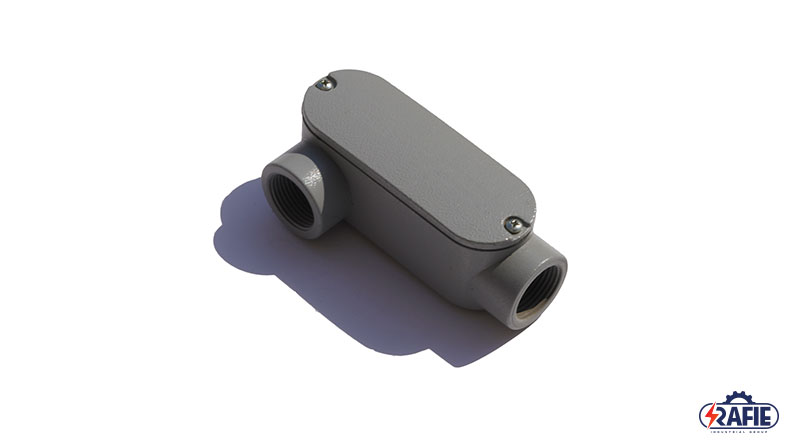
Conduit bodies are very widely used connecting parts in electrical conduit networks. In fact, these parts are used as fittings between steel electrical conduits. As you know, conduits are considered a main element in power cable support networks. For this reason, a set of complementary parts such as conduit bodies, pull elbows, pull tees, and other connecting parts are used so that you have a stable and safe conduit installation project. In electrical conduit projects in various industries, special importance is usually given to two types of fittings.
These two types include fittings responsible for keeping conduits stable at heights, such as various types of C-channel rails, clevis hangers, and Spit clamps. But the other type of fittings is responsible for continuing the path and changing the direction of steel conduits, such as couplings and various types of elbows, all of which are used alongside each other to create a relatively complex conduit network. Given that conduit bodies belong to the second type, meaning they are used in the path or between conduits, their functional mechanism is somewhat different. Therefore, in this article, we exclusively intend to discuss the technical specifications, structural features, types, and advantages of conduit bodies.
A conduit body is known as one of the most common types of fittings in electrical conduits, providing the function of connecting electrical conduits, which are known as conduits. The use of electrical conduits in electrical installations to protect thin and thick cables and wires against moisture, dust, impact, and stretching is very common; however, sometimes conduit installation needs to be carried out along specific paths and angles need to be created. In such conditions, there is no necessity for bending and cutting electrical conduits, and these parts can be used as one of the steel electrical conduit fittings.
This equipment has a similar function to electrical junction boxes and can create a series of branches at various angles. Conduit bodies also play a protective role for cables and do not allow cables to be placed at sharp and dangerous angles that cause breakage and tearing. The structure of these parts is designed in such a way that it provides the possibility of branching at various angles. Therefore, with their presence, there is no limitation for electrical conduit installation.
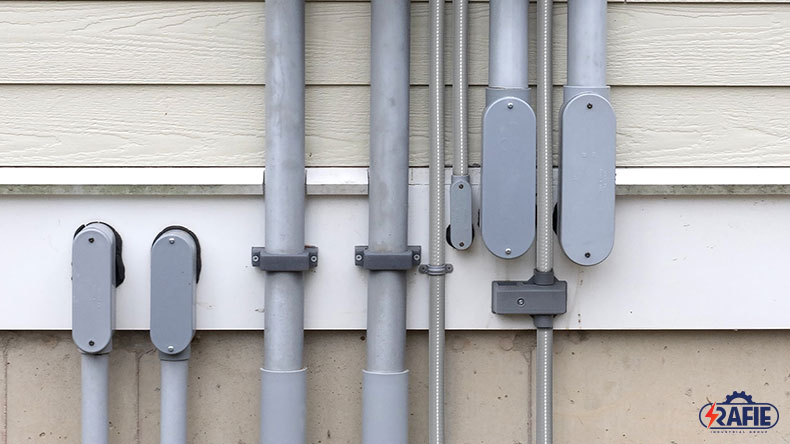
Many people, due to the great similarity in the names of these two terms, think that there is no difference between conduit and conduit body and that both are made with different words. Buyers of these products should note that conduit bodies and conduits are completely different from each other. Conduits are actually the same electrical conduits that are made of metal or PVC and provide the possibility of safely placing cables and wires; however, conduit bodies are connector equipment that can connect conduits to each other. Although the function of both is somewhat similar to each other, their structure and purchase method are completely different.
Priority is with purchasing conduits so that it can be determined how many connectors are needed to connect them together. After purchasing conduits and having the electrical wiring plan in hand, conduit bodies are procured so that they can be used for the purpose of creating branches and suitable angles. It should be noted that the price of conduits is higher than conduit bodies, and this is due to their larger dimensions.
The material of conduit bodies differs from one another, and this very issue has caused their prices to vary in different stores and centers. When purchasing conduit bodies, priority is given to products that have the highest resistance to impact, moisture, and corrosion. Therefore, the use of high-quality metal alloys in this equipment is very important. The price of conduit bodies also varies depending on the number of branches and their size. Moreover, the price of the metal alloys used to manufacture this equipment also varies over different time periods, and this can cause different pricing of this equipment. To receive pricing and cost estimates for implementing this connector equipment along with steel electrical conduits, you can proceed through Rafi Industrial Group and receive the daily price of these products with a phone call.

The conduit body is used as a practical connector between two electrical conduits and is also responsible for branching and guiding wires and cables out. Because the need for using these parts varies in each project, manufacturers also produce them in a wide variety, the most important of which we will mention below.
Two-Way Conduit Body
The two-way conduit body is used to change the direction of an electrical conduit or create a simple branch in limited spaces. This model provides suitable access for pulling and extracting cable and is usually used at points where extensive bending is not possible. The reinforced two-way conduit body is another type of this product whose body is thicker and more resistant, and it can be used for industrial projects, high-vibration environments, and high-stress spaces.
T-Type Three-Way Conduit Body
The three-way conduit body is used to create a 90-degree branch in the electrical conduit system and allows the technician to easily inspect or repair the wires. This model is used in paths where quick and standard branching to three different areas is required.
X-Type Four-Way Conduit Body
The four-way conduit body is suitable for connecting four electrical conduit paths at one point and managing complex network intersections. This model provides the possibility of distributing wiring in several directions and is widely used for large and organized structures.
LB Conduit Body
The LB conduit body is designed for installation at angles and against walls, and its side cover provides easy access inside the electrical conduit. This model is an ideal choice for paths where there is not enough space to fully open the equipment.
LL Conduit Body
The LL conduit body is used to create a branch with an outlet on the left side and is used in straight paths and corners where the cable needs a gentle change of angle.
LR Conduit Body
This conduit body is similar to the LL model but has the outlet on the right side. This difference makes it the best choice for paths where the cable needs to change direction to the right.
C Conduit Body
The C conduit body is used for changing direction in short or straight paths without side branching. This model provides access to cables and is usually installed at points where a simple change of direction is needed.
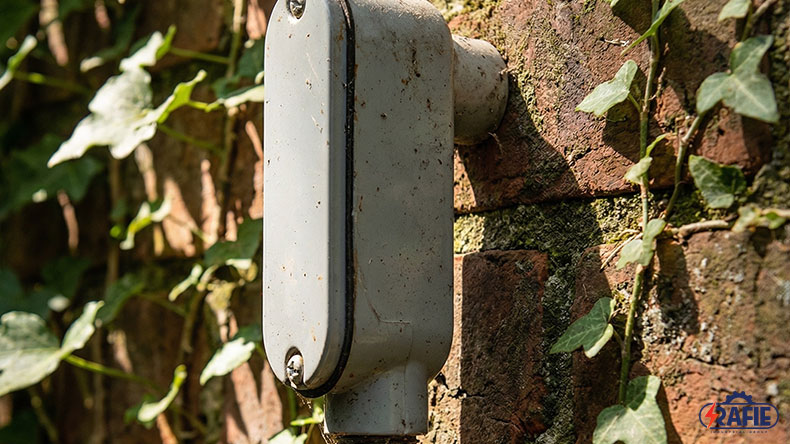
Electrical conduit fittings such as conduit bodies play a key role in creating a safe and functional cabling network. Today, many connecting parts have been designed and manufactured, each used for a specific position in a piping system. What is more important than anything else is that the executive team can correctly use the fittings based on the plan they have drawn up for their conduit network.
In many cases, it has been seen that the irregular selection of parts or inter-conduit fittings has caused the formation of a high-risk path in routing cables. Generally, conduit bodies and other conduit fittings can cause changes in direction and routing of conduits. For example, if you use a tee instead of an elbow, or by installing couplings you extend the conduit path, the work plan will be completely transformed.
So it is enough for one connector to be used in place of another for the entire conduit route to change. For this reason, we always emphasize that the architecture of the conduit installation, especially at the heights of the structure, must first be determined, and the high-risk paths must be carefully assessed and examined so that, based on this obtained information, various fittings such as conduit bodies, which come in various types such as elbows, tees, and crosses, can be properly installed in their place.
As the number of conduit branches increases and we have a relatively large area in the project, we must proportionally spend a lot of time on the type of conduit installation and selecting the correct paths. This issue exists not only for conduit installation projects but also for other projects such as the installation and connection of cable trays, cable ladders, polymeric pipes, and more.
Since the design of inter-conduit fittings of the conduit body type is covered with separate lids, whenever you want to make a fundamental change in the network, you will have an easy and smooth path ahead. Generally, electrical conduits are designed and manufactured to support a relatively low number of cables along a specific path. Whereas cable trays are effective for a high number of cables. In the meantime, for various reasons, it may be necessary to change the cabling path to establish and set up a new network.
So when the conduit fittings are of the covered type, any kind of change can be made with high safety. Furthermore, the occurrence of structural defects and technical problems is resolved in the shortest time due to the special advantage of these fittings. Therefore, covered fittings are always used for cabling with electrical conduits.
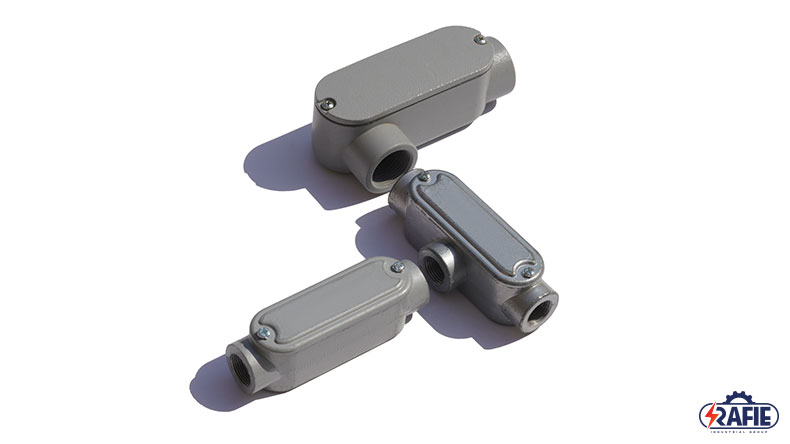
Given that conduit bodies serve as an important connector in electrical conduit networks, the highest quality metallic material is used in their manufacture. The most common material for these parts is usually die-cast aluminum. Alongside this, other alloys such as galvanized steel and stainless steel are also used for manufacturing special types of the product. High density, a very strong body, and rustproof properties are among the very valuable advantages that conduit bodies made from this type of material possess.
Precise molding and high design precision are among the elements that enable these connecting parts to provide standard support for electrical cables and conduits. The main priority in using metal alloys for the design and manufacture of these parts is increasing their resistance and the ability to be used in outdoor weather conditions. Therefore, physical resistance as well as chemical resistance to rust can be considered among the most important advantages of this type of fitting material.
Given that conduit bodies are used in the electrical conduit route to connect conduits to each other, the inlet and outlet openings of these parts must be completely proportionate and compatible in size with the steel electrical conduit. The interior of both ends of this part is threaded, so the connection type of the parts to the steel electrical conduits will be screw-type. This important element can make the process of using these parts and implementing them in the electrical conduit network easy and straightforward.
However, the sizing considered for these fittings usually includes PG13.5, PG16, PG21, PG29, PG36, and PG48. As you can see, most steel electrical conduits can be connected to these parts, and you can implement the most extensive electrical conduit networks in various sizings using these parts.
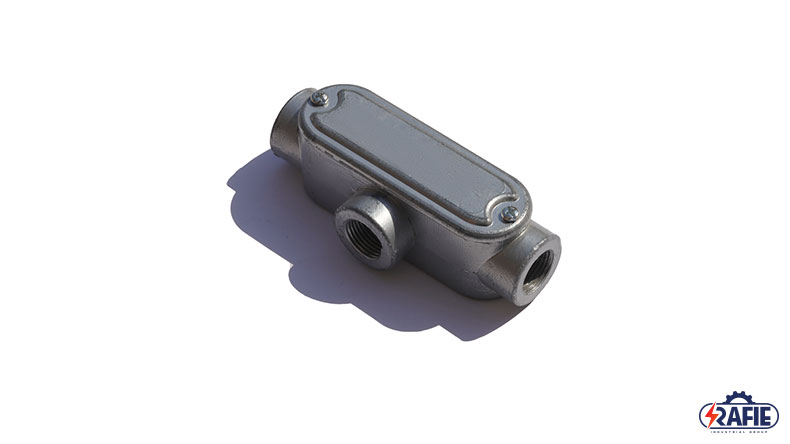
If you have paid attention to the images of these steel electrical conduit connecting parts, you will see that they have a high variety in terms of geometric shape and number of branches. Each of these shapes is designed for a specific position, and you must use them according to the type of conduit network. In general, conduit bodies can be classified based on their design type into the following categories:
Elbow fittings: The conduit body elbow is among the most widely used types of connecting parts. Using these parts, you can create a vertical or 90-degree change of direction in your conduit route.
Straight fittings: This geometric shape, as its name suggests, provides a straight path in the conduit network by connecting two same-size conduits. Given the limited length of conduits, this type of connecting part extends the conduit route.
Tee fittings: Tees, as well as parts that create multiple branches, are usually used for complex networks. This part can connect three same-size conduits to each other at one point.
Cross fittings or four-way fittings: Crosses or four-way fittings are other types of these products that can connect four conduits at a right angle to each other.

Due to having a cover, conduit bodies provide the possibility of quickly managing cables and connections.
Some different types of these covers have a plastic gasket, so environmental fluids and contaminants cannot penetrate inside the part.
Their covers are attached to the main body via two screws, making it impossible for them to detach due to force or impact.
Their diverse sizing will enable you to use different dimensions of steel conduit.
Some types of conduit bodies have electrostatic coatings that can create an ideal anti-corrosion and anti-rust property in the part.
Rafi Industrial Group, as a manufacturer of a wide range of cable support parts and equipment, offers the highest quality products to customers. High variety, standard design, and affordable prices are considered their main features. You can contact our experts to receive more precise details regarding pricing as well as to obtain specialized consultation.
To receive free consultation, please fill out the form below. Rafi Industrial Group consultants will contact you as soon as possible.
To receive free consultation, please fill out the form below. Rafi Industrial Group consultants will contact you as soon as possible.
![Purchase of coated flexible conduit [Standard dimensions + High technical resistance]](https://rafiepipe.com/wp-content/uploads/2023/08/لوله-فلکسیبل-روکش-دار00-300x169.jpg)